








Over the last decade, gaming has transformed from a niche hobby into a major entertainment industry. Some prefer console gaming, others stick to PC with advantages like the best ARC Raiders hack, while many enjoy the convenience of mobile games. The rise of smartphones and tablets has made gaming accessible to a wide audience, while technological advancements like high-resolution screens and powerful processors allow developers to create games rivaling console quality.
Platforms like Apple’s App Store and Google Play enable global distribution, driving the industry’s financial success, with mobile gaming revenue now surpassing console and PC gaming. Free-to-play models with in-game purchases have further increased its popularity. This article examines the societal, technological, and cultural impact of mobile gaming.
The popularity of mobile games
Mobile games have transformed the gaming landscape, becoming a cultural phenomenon. Nearly 3 billion people worldwide play mobile games, thanks to the affordability of smartphones and data plans. Unlike traditional gaming, which often requires costly consoles, mobile games are typically free or low-cost, encouraging casual play among a broader audience.
Mobile games have bridged demographic gaps, with rising participation among older adults who enjoy puzzles and strategy games. Titles like “Candy Crush” and “Words With Friends” exemplify how mobile gaming fosters social interaction, allowing players to connect and engage at their own pace. This accessibility and social element have propelled mobile games into mainstream culture, challenging traditional gaming norms and shaping entertainment’s future.
Nevertheless, PC gaming retains a dedicated fanbase that prefers a more immersive experience. For some, this includes seeking a competitive advantage in their favorite games, such as using cheats for titles like Arc Raiders to enhance their gameplay: https://wh-satano.ru/en/cheats/arc-raiders.
Iconic mobile games that changed the industry
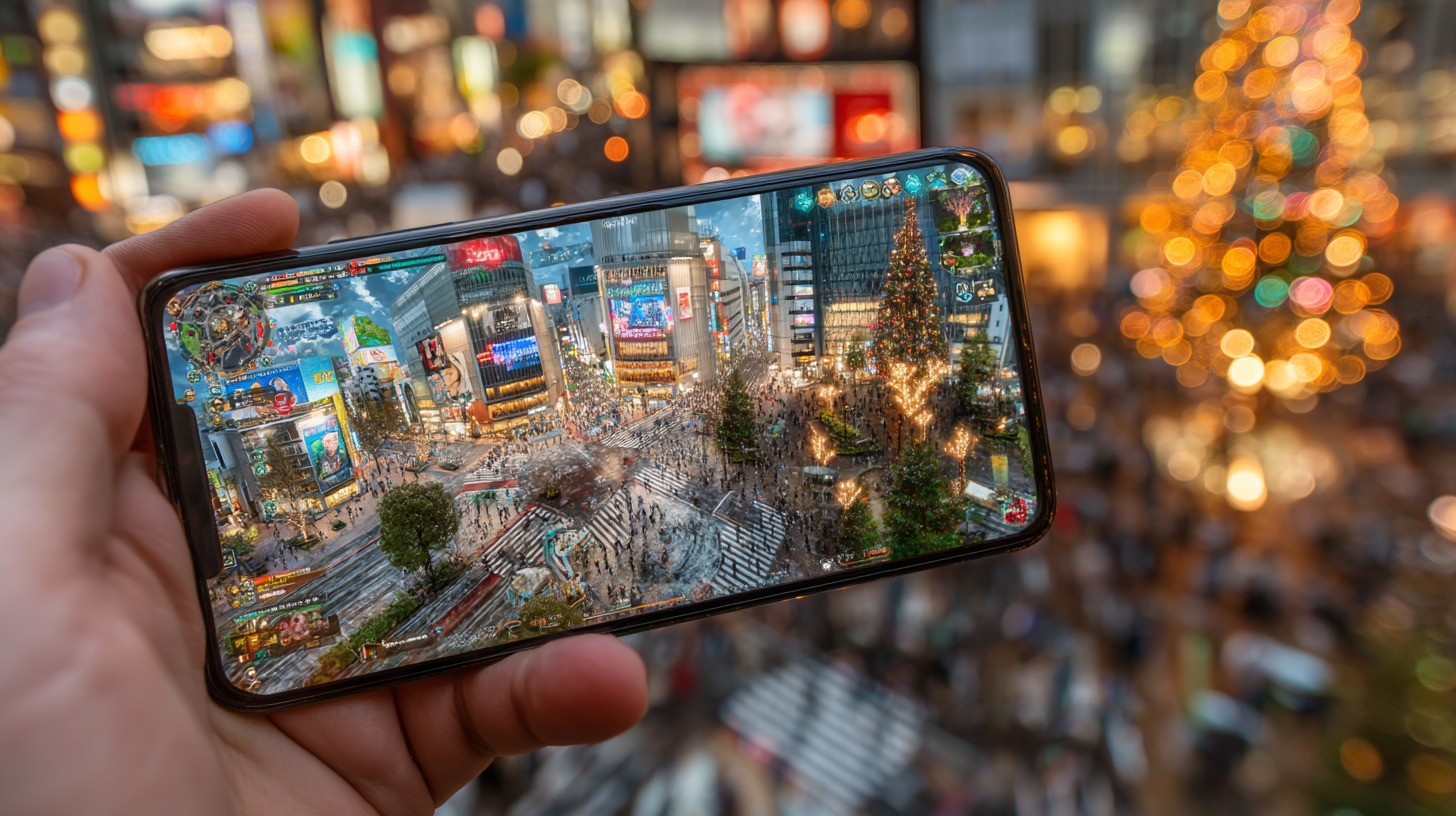
Certain mobile games have left a lasting mark on the industry and culture. Titles like Angry Birds, Candy Crush Saga, and Pokémon GO achieved massive success by combining innovative gameplay with wide appeal.
Angry Birds (2009) pioneered casual gaming with its simple mechanics and engaging design, sparking a cultural phenomenon with movies, merchandise, and an animated series. Candy Crush Saga (2012) introduced social integration and daily challenges, making gaming a communal experience. Pokémon GO (2016) revolutionized gaming with augmented reality, encouraging players to explore real-world locations and connect through shared experiences.
These games illustrate how mobile gaming has become a cultural touchstone, blending innovation with mainstream appeal.
Mobile games as cultural phenomena
Mobile games like Candy Crush, Pokémon GO, and Among Us have become cultural phenomena, shaping how people interact and entertain themselves. Their accessibility has democratized gaming, fostering shared experiences across age, gender, and geography.
Merchandise, such as clothing and toys tied to mobile games, showcases their cultural impact while creating new revenue streams. Social media amplifies this influence as players share memes, strategies, and experiences, embedding mobile games in online discourse.
Beyond entertainment, mobile games foster social connections, build communities, and influence daily life, solidifying their place in modern culture.
Influence on music and media
Mobile games have significantly influenced music and media. Soundtracks from games like Minecraft and Angry Birds have entered mainstream music charts, while collaborations with artists like Travis Scott in Fortnite blur the lines between gaming and music.
Games have also found their way into movies and TV shows, such as The Witcher, leveraging gaming narratives to engage fans across platforms. This integration highlights mobile gaming’s growing impact on entertainment and storytelling.
Impact on advertising and marketing
Mobile games have revolutionized advertising. In-game ads and brand partnerships seamlessly embed promotions into gameplay, enhancing engagement and visibility. For instance, racing games often feature real-world car brands, while battle royale games collaborate with fashion labels to launch branded skins and challenges.
These strategies use gaming’s interactive nature to create memorable experiences, making mobile games a powerful tool for modern marketing.
Social change through mobile games
Mobile games are also driving social change by addressing critical issues like mental health and climate change. Games like Hellblade: Senua’s Sacrifice tackle psychosis through immersive narratives, while Sea Hero Quest aids dementia research by collecting player navigation data.
Many games also support charity initiatives, raising funds through in-game purchases. By blending entertainment with awareness, mobile games empower players to contribute positively, showcasing their potential as tools for education and change.
In conclusion, mobile gaming has reshaped entertainment, culture, and society. Its influence on technology, media, and social interactions continues to grow, solidifying its role as a transformative force in the modern world.